Connected devices are a crucial part of modern business. They are able to collect information, automate processes, and allow for smarter operations. However, managing a soaring number of devices in multiple locations can quickly become overwhelming. The operation of devices demands continuous attention, expert knowledge as well as security compliance. This includes updates to software as well as system monitoring and performance optimization. A structured managed service can turn complexity into clarity.
Businesses often begin searching for Raspberry device management software for free alternatives to cut down on the initial costs. Although these tools are free and provide remote access and a basic level of monitoring but they do not provide the level of management required for enterprise-grade deployments. Businesses need more than manual controls and dashboards as device networks expand. They require an integrated platform that can handle provisioning and security hardening as well as the monitoring of performance and compliance reports.
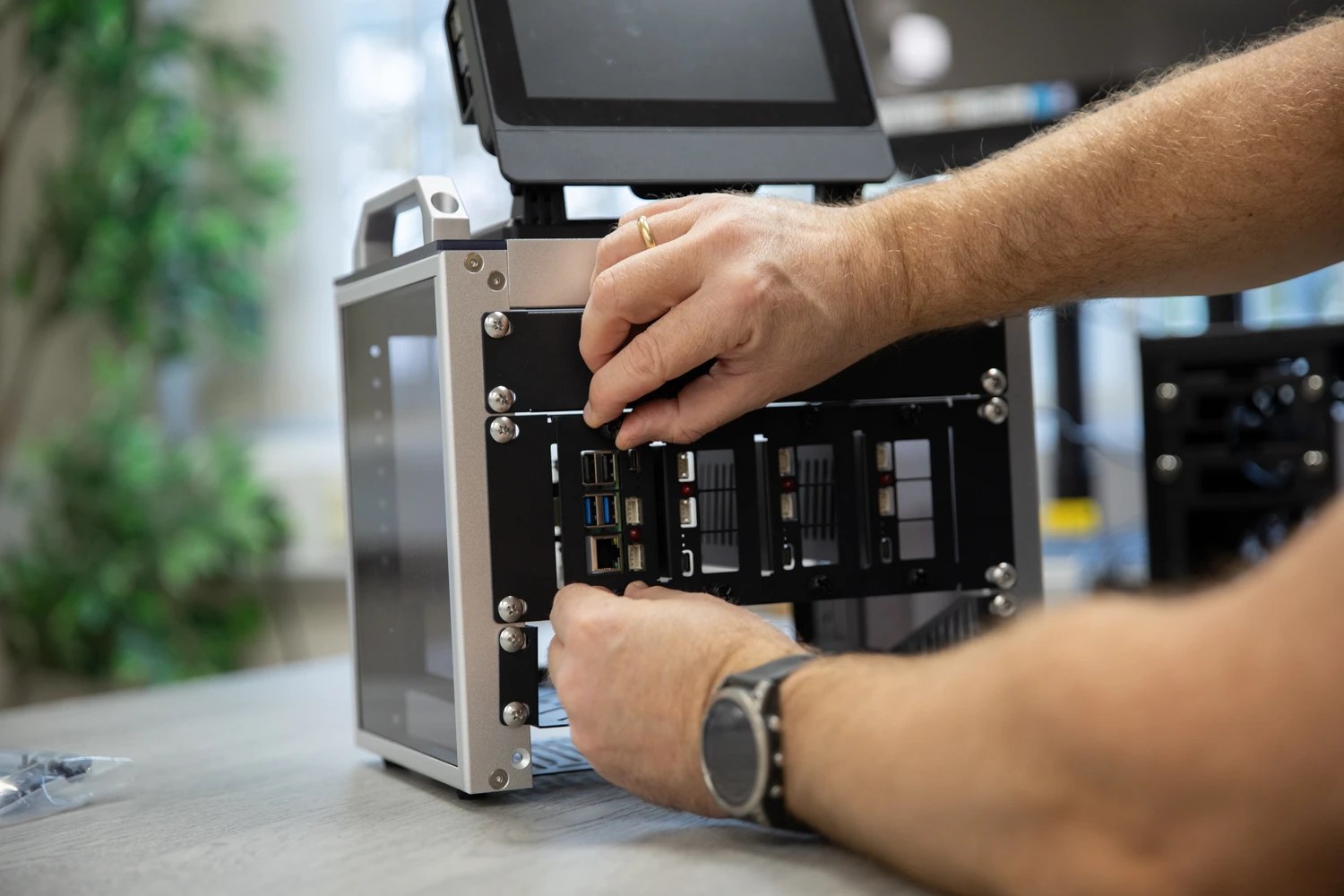
An infrastructure that is well controlled takes the stress of running day-to-day activities off the internal teams. The business can focus on innovation and growth instead of troubleshooting, patching, and responding for problems. Each device is configured and implemented within a framework that provides security and stability. This operational model reduces downtime, and also prevents security weaknesses due to misconfigurations or omitted updates.
A Partnership Model Built to Scale
IoT ecosystems that are successful can’t be created in isolation. They require a well-thought-out architecture and constant optimization. By working with a Raspberry Pi design expert, you can be sure that your hardware selection as well as the architecture and software you choose align with your goals for operation. This type of partnership instead of treating deployments like only a single-time event, provides an infrastructure that can be scaled according to business needs.
Every managed service agreement is tailored to the environment of the client. It includes device-management, hardware integration platforms technical support, and more, all in one agreement. This structure unifies vendors and eliminates fragmentation and simplifies communication. The business gains named technical contacts, service-level agreements, and transparent reporting to keep all stakeholders well-informed, while reducing administrative complexity.
Standardization of the provisioning and configuration processes ensures consistency in every location. Each unit is assembled before being tested and registered prior to deployment, ensuring uniformity from the beginning of. Continuous telemetry gives engineers in-depth insight into the device’s health and stability. This helps them stop system failures from occurring and to detect issues before they get out of hand.
Operational Excellence Through Continuous Management
The importance of proactive maintenance is greater than resolute troubleshooting for the security of an IoT environment. Patching and updates that are properly managed will ensure operating systems and applications remain secure and stable. Updates are thoroughly tested prior to deployment to avoid disruptions, keeping uptime on distributed networks.
The requirements for compliance are built into the operation workflow. No matter if organizations need to comply with ISO standards, SOC2 frameworks, or internal policies on governance, the reporting processes conform to regulatory requirements. This structured approach to auditing decreases stress and increases security protection.
The value of managed services is increased by performance optimization and planning. Regular system reviews can identify upgrades in hardware, energy efficiency, and balance of workload. Instead of waiting for equipment to fail or become outdated infrastructures are constantly upgraded to meet the growth of your organization.
Cloud and Edge Technologies can be seamlessly integrated
Modern deployments typically require close integration between the devices at the edge and cloud ecosystems. Expert Azure IoT consulting helps businesses connect devices securely to cloud platforms while optimizing data pipelines, analytics workflows, and automation capabilities. This combination of physical infrastructure with cloud intelligence enables smarter decisions and greater operational agility.
Professional IoT consulting also ensures that monitoring platforms, security protocols and data governance frameworks function cohesively. Engineers are monitoring system performance throughout the day and can respond to issues prior to them disrupting operations. The ability to scale support allows organizations to expand confidently, being confident that their technical knowledge grows alongside their device fleet.
The objective is to make systems that are sophisticated feel as if they were easy to use. Scaler Pi makes cutting-edge technology more accessible by combining hardware expertise and cloud technology. It creates an environment that is optimized where devices are able to work together. Data, operations and data are effortlessly.
Manage devices with greater efficiency
Managed Services provide an accountability single point for monitoring, design and service. The ability to predict pricing reduces budget surprise, while automated updates and continuous monitoring minimize the risk of operating. Business owners can rest assured that their infrastructure is always in compliance and running at its peak.
The demand for strong operational frameworks is increasing as IoT ecosystems expand. A managed service that is encompassing will ensure that devices are secure, efficient and up-to-date, allowing companies to develop without having infrastructure management slow them down.